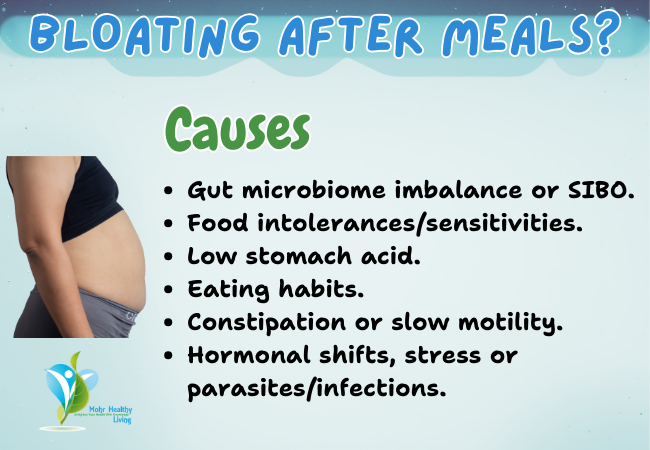
BLOATING AFTER EATING?

Bloating after eating is a common complaint, and it’s often a sign that digestion isn’t flowing smoothly. From a holistic perspective (drawing from sources like Dr. Axe, Dr. Berg, and functional wellness experts), the top causes include:

  • Gut microbiome imbalance or SIBO (small intestinal bacterial overgrowth): Too many bacteria in the small intestine ferment carbs and fibers, producing excess gas. Dr. Berg frequently points to this as a root cause—antibiotics, low stomach acid, or poor motility let bad bugs overgrow, leading to constant bloating.
  • Food intolerances/sensitivities: Common culprits are dairy (lactose), gluten, FODMAPs (in onions, garlic, beans, some fruits), or even healthy high-fiber foods. If your body lacks enzymes (e.g., lactase) or has leaky gut, these trigger inflammation and gas.
  • Low stomach acid or poor digestion: Aging, stress, or PPI use reduces acid, so food ferments instead of breaking down properly. Dr. Axe highlights this as a big one—undigested proteins/carbs feed bad bacteria, causing bloat.
  • Eating habits: Swallowing air (eating fast, chewing gum, drinking through straws), overeating, or combining carbs/fats poorly slows transit time, trapping gas.
  • Constipation or slow motility: Backed-up bowels let gas build up; stress or dehydration worsens it.
  • Other factors: Hormonal shifts (e.g., menstrual cycle), stress (cortisol affects gut), or parasites/infections in chronic cases.

Natural Solutions to Try

Start by addressing causes—track what you eat and symptoms for patterns.

  • Improve digestion: Eat slower, chew thoroughly, smaller meals. Add apple cider vinegar (1 tbsp in water before meals) or bitters to boost stomach acid. Dr. Berg often recommends betaine HCl if low acid is suspected.
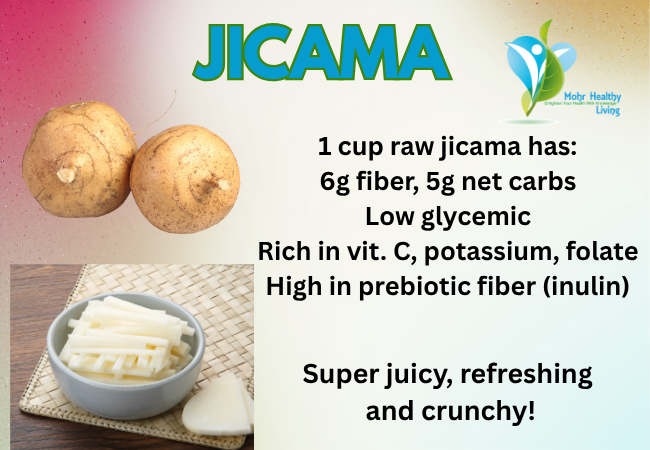
  • Support gut microbiome: Probiotics (high-quality, soil-based or multi-strain), fermented foods (kefir, sauerkraut), and prebiotics (inulin from chicory or onions).
  • Eliminate triggers: Cut common offenders (dairy, gluten, FODMAPs) for 2–4 weeks to test. Low-FODMAP or keto-style eating helps many.
  • Herbal aids: Peppermint, ginger, fennel, or chamomile tea post-meal for gas relief. Digestive enzymes (with meals) break down carbs/proteins better.
  • Lifestyle fixes: Walk after meals (stimulates motility), manage stress (meditation/yoga), stay hydrated, and ensure fiber balance (not too much too fast).
  • Deeper fixes: If persistent, consider testing for SIBO, low acid, or food sensitivities. Castor oil packs or abdominal massage can help motility.

Bloating after every meal usually improves with these tweaks—many see big changes in 1–4 weeks by focusing on gut health first. If it’s severe or with pain/weight loss, I would suggest seeing a functional doc.🌿


Leave a Reply

Your email address will not be published. Required fields are marked *

This site uses Akismet to reduce spam. Learn how your comment data is processed.