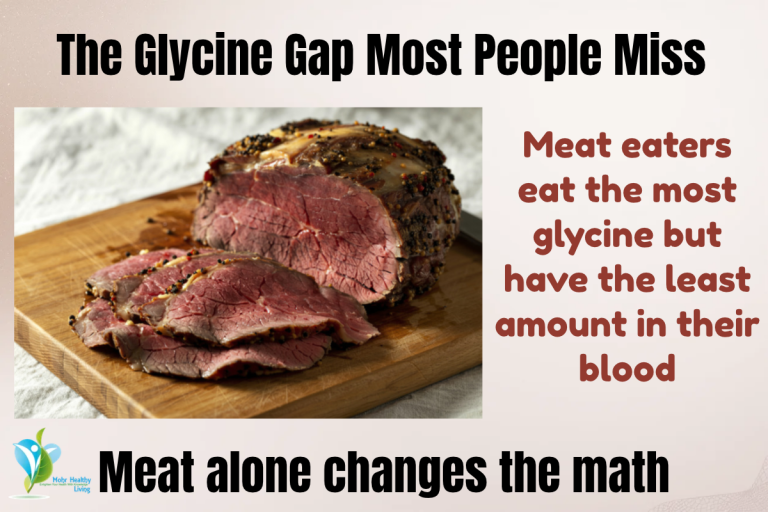
The Glycine Gap Most Meat Eaters Miss
I’ve been taking glycine for a long time for bone

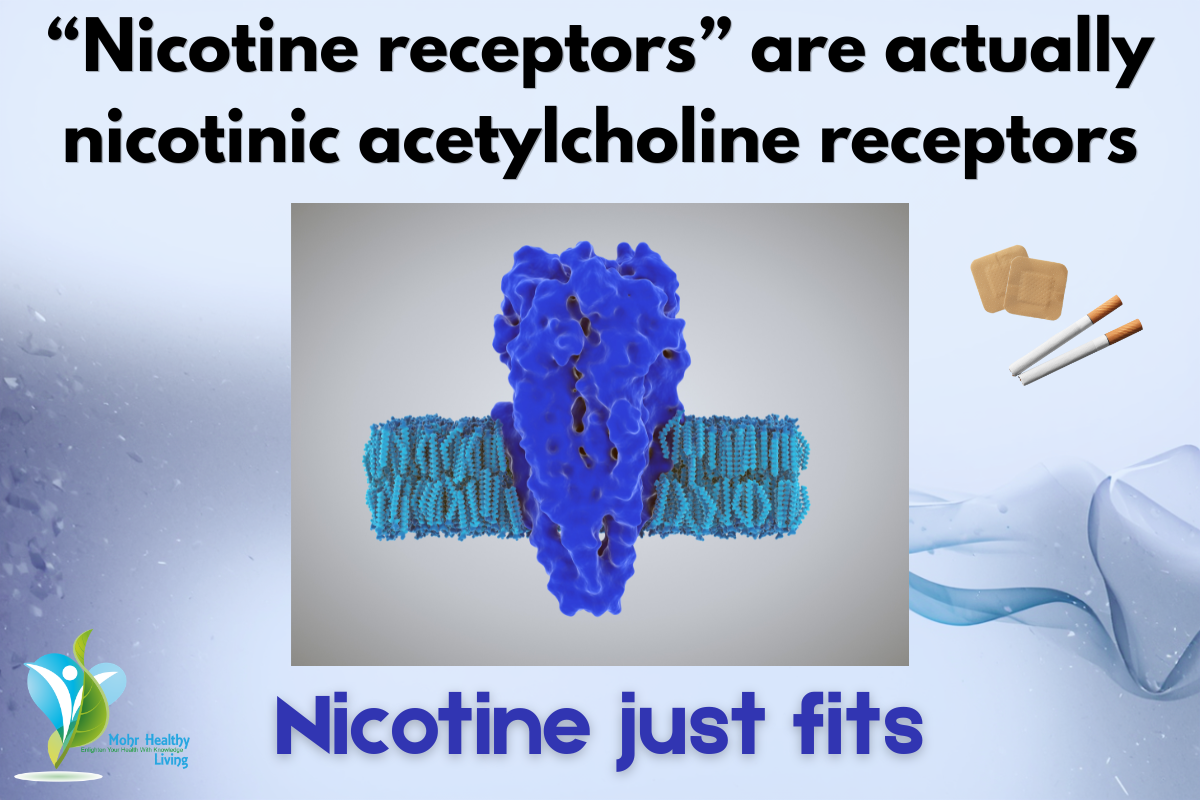
We don’t. Nicotine is in plants for the same reason other anti-nutrients are.
Some people, mainly Dr. Ardis, claim that the nicotine in plants somehow proves our bodies require it. Plants produce compounds like solanine and lectins to deter insects and animals from eating them. Nicotine is one of those protective toxins. Nightshades (tomatoes, potatoes, peppers, eggplant) contain only trace amounts—micrograms per serving—packaged with the rest of the food matrix. Most people handle these tiny quantities fine, though some are sensitive to nightshades because of the broader mix of anti-nutrients they carry. You would need to eat several kilograms of tomatoes or potatoes in one sitting to approach even a fraction of the dose found in a cigarette, patch, or piece of gum.
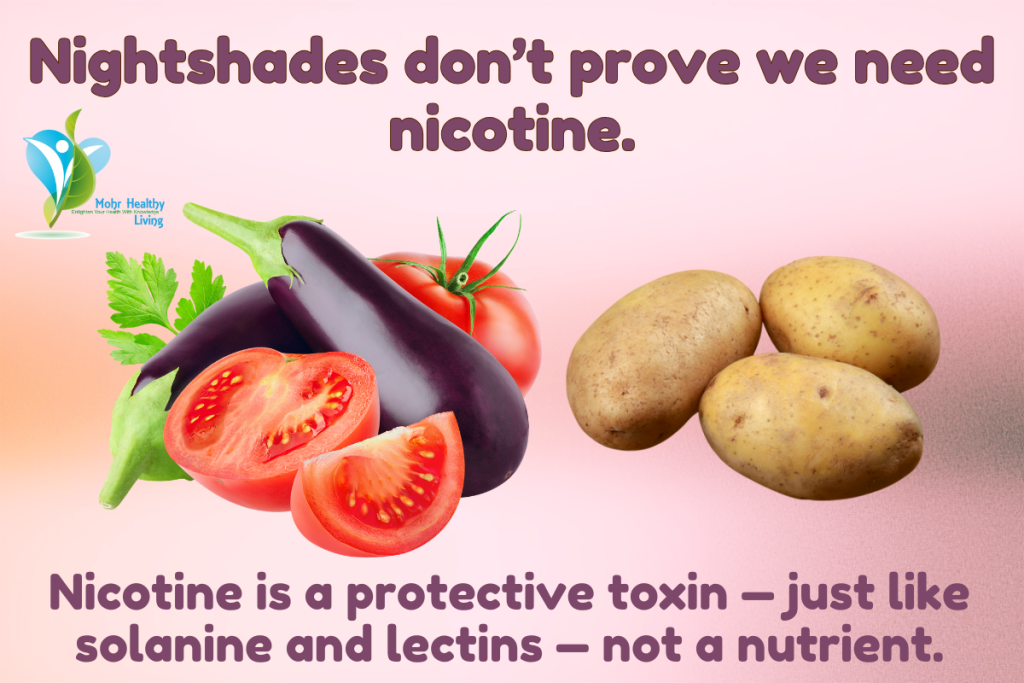
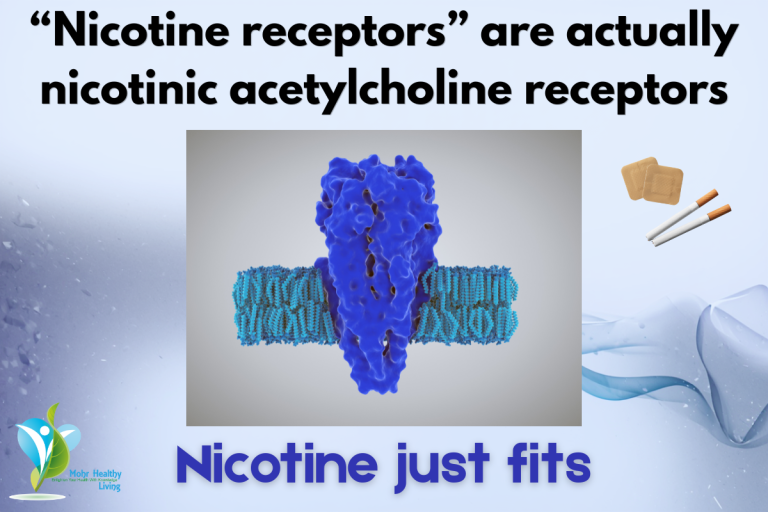
The receptors people call “nicotine receptors” are actually nicotinic acetylcholine receptors. They exist to bind acetylcholine, the body’s own neurotransmitter that nerves use to signal muscles and other nerves. Nicotine fits those receptors only because its shape is similar enough to acetylcholine to activate them. That does not mean the receptors were made for nicotine or that the body needs it. It means nicotine is an outside molecule that can hijack a system designed for acetylcholine.
Nicotine initially activates these receptors. With continued exposure it quickly causes desensitization—the receptors stop responding properly. Chronic exposure then leads to upregulation: the body increases the number of these receptors as a compensatory response. When nicotine is removed, the upregulated receptors are left under-stimulated. That cycle of activation, desensitization, and upregulation is a core mechanism of dependence and withdrawal.
Patches and gum still deliver nicotine in milligram doses—way above anything found in food. They avoid the combustion products of smoking, but they do not make the nicotine itself inert. The same receptors are activated, the same stimulant and addictive potential remains, and the amount is way above the trace amount present in a tomato.
Nicotine can make people feel more alert, focused, or less anxious in the short term because it raises dopamine and other signaling chemicals. That temporary boost is a pharmacological effect, not proof that nicotine is treating or curing any conditions. Nicotine also activates the sympathetic nervous system and releases adrenaline, which speeds the heart and constricts blood vessels and thereby raising blood pressure.
Bryan Ardis is the primary high-profile voice pushing the extreme versions—that nicotine cures Parkinson’s, Alzheimer’s, hypothyroidism, and other conditions, that it is non-addictive, and that it broadly protects humanity. There is legitimate research interest in nicotine or selective nicotinic agonists for cognition and certain neurological conditions, and observational data have long noted lower Parkinson’s rates among smokers. However, controlled human trials (including nicotine-patch studies in Parkinson’s) have not shown that nicotine cures or meaningfully slows these diseases. Going against mainstream medicine does not automatically make a claim true. When a strong “cure” claim originates from a single high-profile voice looking for an audience, that’s exactly when the evidence should be examined most carefully.
I’ve been taking glycine for a long time for bone
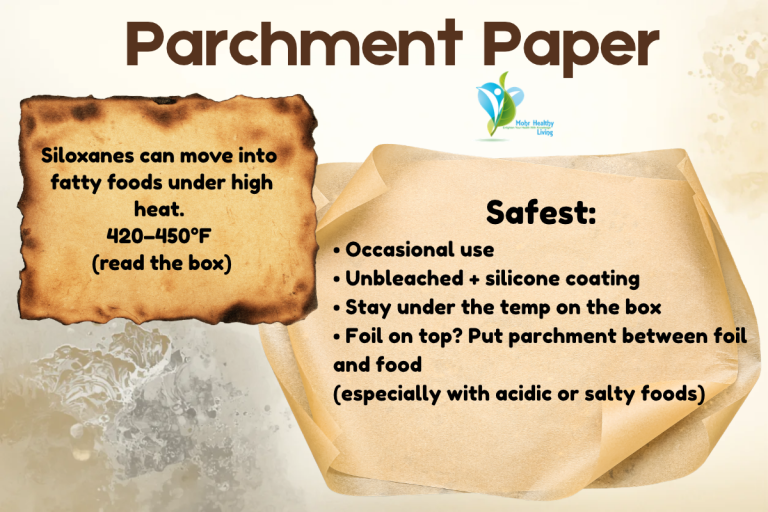
I’ve been using unbleached parchment paper for about 10 years.
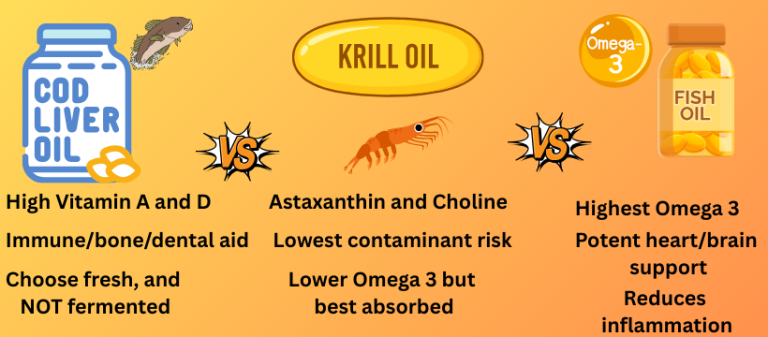
Here we will take a look at the differences between
2 Responses
So, for POTS or OH would it help stabilize the amount of oxygen to the brain and help w/ loss of consciousness?
I lost my taste and smell in 2019 after covid took it away. I saw Dr. Artemis talk about nicotine helps with that and also an article from Mayo clinic in Ohio. I decided to try it and after 5 years of no taste and smell it slowly brought it back to about 90 percent. Just my experience not medical advice